The Water Bill Charge You Can Challenge With a Photo and a Reading
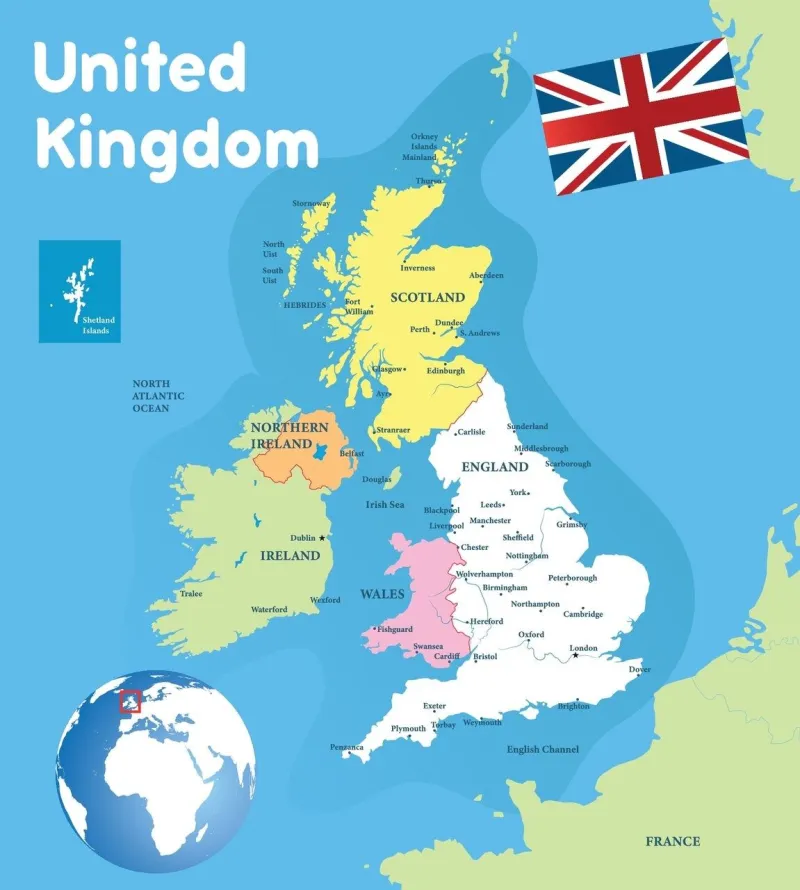
It is easy to treat a water bill like the weather. It arrives, it is annoying, and you assume there is nothing you can do about it. In England and Wales you cannot switch household water supplier, and in Scotland Scottish Water is the provider. So the usual price-comparison instinct has nowhere to go.
That does not mean the bill is fixed. It means the useful questions are different. You are not shopping around. You are checking whether the charges on your bill match the property you actually live in.
Why water feels like a bill you cannot argue with
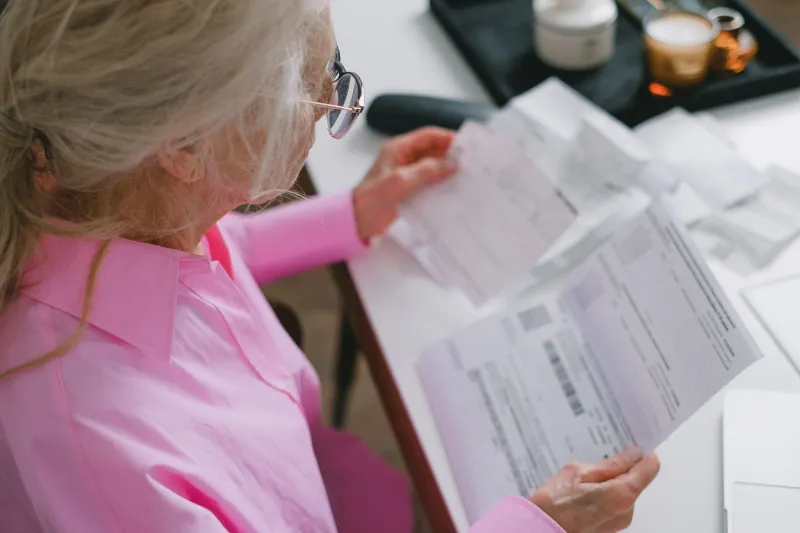
Most of us pay water by direct debit and glance at the amount once a year. The bill looks official. The charges are not itemised in a way that invites conversation. And because there is no switching, it is easy to assume there is no complaint button.
There is. It is usually called something like an application, a review, a dispute or a complaint. The secret is not a magic phrase. It is a specific question backed by evidence.
The charges that quietly add up
Surface water drainage
Rainwater from your roof, driveway or patio has to go somewhere. If it drains into the public sewer, you may be charged for surface water drainage. If it drains into a soakaway, a garden, a private drain or a sustainable drainage system, you may not need to pay that charge in the same way.
Many bills include surface water drainage automatically. If your property does not drain to the public sewer, ask your water company to review it. Policies differ, and some companies will want photos, a sketch or a site visit. Start with the question: how is my surface water drainage charge calculated, and what evidence do you need to assess it?
Metered versus unmetered
If you have a water meter, check the reading on the bill. Estimated bills can be higher or lower than reality. Submit an actual reading and ask for a rebill if the estimate is well out.
If you are thinking about changing between metered and unmetered billing, ask the company first. The rules are not the same everywhere, there are deadlines in some cases, and not every property can switch back. Do not cancel a direct debit to make a point. That creates a different problem.
Leakage allowances
If a leak on your supply pipe has pushed your meter reading up, ask about a leakage allowance. Fix the leak first if you can. Keep the plumber's invoice, photos of the leak and before-and-after meter readings. Some companies will adjust the bill. Some will not. The only way to know is to ask with evidence.
Standing charges and wastewater
Check what the standing charge covers and whether wastewater is calculated separately. If you live in a flat, have a private drain or share a system with neighbours, ask how the charge has been worked out. You are not being difficult. You are asking for the basis of a bill.
The evidence pack that gets results
A vague complaint gets a vague answer. A specific request with evidence has a better chance.
Put together:
- dated photos of where rainwater goes, including any soakaway, garden drain or private drainage
- a simple sketch of the property and the drainage route
- meter readings with the date and time
- a plumber's invoice or report if a leak is involved
- previous bills showing the charge you are querying
- a short log of calls, dates and reference numbers
Send it by email or through the company's online form so there is a written record. Ask a direct question, such as: please assess my surface water drainage charge and tell me what evidence you need. Keep it polite and factual. The person reading it is more likely to help if they can see what you are asking.
The paper trail, step by step
First, find the charge on your bill and note the exact wording. Second, ask the company for its policy and any application form. Third, send the evidence pack and keep a copy. Fourth, ask for a written outcome and any backdated adjustment if the charge was wrong.
If the company does not resolve it, ask for a deadlock letter or wait for the eight-week mark, depending on the process. In England and Wales, the Consumer Council for Water can help with unresolved complaints. In Scotland, check Scottish Water's complaint process and the Scottish Public Services Ombudsman. Ofwat sets the rules for the industry but does not handle individual household complaints.
What not to do
Do not stop paying the whole bill while you query one charge. Do not ignore letters. Do not assume a reduction is automatic. Do not take a forum post as gospel, because company policies vary. And do not apologise for asking a reasonable question about a bill you are expected to pay.
The honest bottom line
Not every challenge will win. Some properties really do drain to the public sewer. Some meters really are accurate. But water is one of the few household bills where a photo, a reading and a short paper trail can change the number. If you have never looked at the surface water line, start there. You might not get a rebate. You will at least know what you are paying for.