The Ghost of 1991: Why Your Council Tax Band Might Be Worth a Second Look
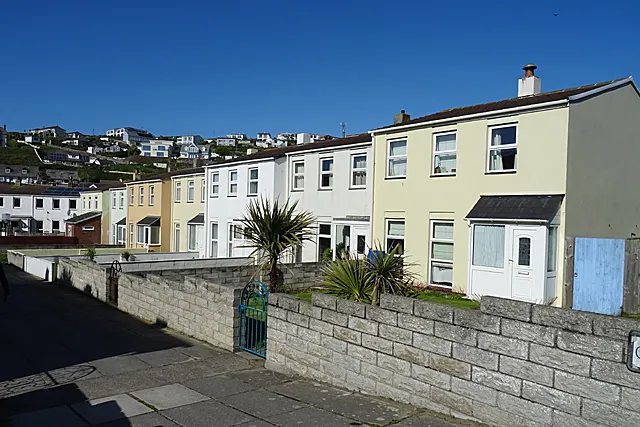
Photo: Anne Burgess , CC BY-SA 2.0, via Wikimedia Commons
There is a number sitting behind your council tax bill that most people have never seen, and it is more than three decades old.
In England and Scotland, your band was set using property values as they stood on 1 April 1991. Not 2026. Not even the year you bought the place. A valuation officer — or, quite often, someone working from a list and a windscreen — slotted your home into one of eight buckets based on what it might have fetched back then, and that judgement has been quietly moving your bill up or down ever since.
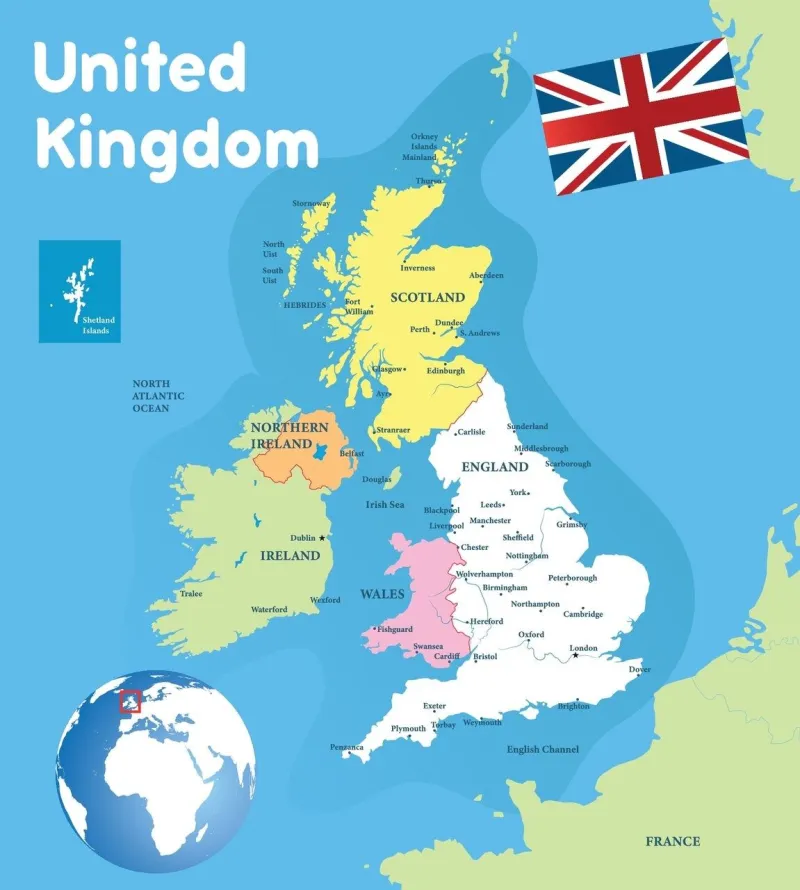
Wales did things differently. Welsh homes were revalued in 2003 and moved onto a nine-band system (A to I) from 2005. So Wales has had one revaluation in a generation, and England and Scotland have had none.
This is not really a scandal. It is just a very old system, applied at speed, to millions of properties, a good number of which have changed beyond recognition since. If you have ever wondered why the house next door pays less than you for what looks like the same thing, this is usually the reason.
Why two identical houses end up in different bands
Banding was never a surveyor-with-a-clipboard job on every driveway. In the late 1980s and early 1990s, valuations were done in bulk, often from the street, sometimes from Ordnance Survey data and old rating lists. Extensions, loft conversions, conservatories and knocked-through walls that happened later were not always fed back in. Neither were the ones that were missed on the way past.
Add in the fact that estates built in phases can straddle a band boundary by a few thousand pounds of 1991 value, and you get the classic outcome: six houses in a terrace, three different bands, one grumbling WhatsApp group.
Here are the England and Scotland ranges, in 1991 money:
- Band A: up to £40,000
- Band B: £40,001 to £52,000
- Band C: £52,001 to £68,000
- Band D: £68,001 to £88,000
- Band E: £88,001 to £120,000
- Band F: £120,001 to £160,000
- Band G: £160,001 to £320,000
- Band H: £320,001 and above
Scotland uses the same value ranges but a different set of multipliers, which is why a band D bill in Glasgow and a band D bill in Surrey are not the same number.
Wales uses 2003 values: A up to £44,000, then B to £65,000, C to £91,000, D to £123,000, E to £162,000, F to £223,000, G to £324,000, H to £424,000, and I above that.
The 20-minute check
You do not need to pay anyone for this. The first pass is free and takes about the length of a cup of tea.
- Look up your own band. In England and Wales, use the government's council tax band checker on gov.uk. In Scotland, use the Scottish Assessors Association site at saa.gov.uk.
- Look up your neighbours. The same tools let you see the band for other addresses. Note the ones that are genuinely comparable — same build, same rough footprint, same street — not the big corner house with the double extension.
- Spot the anomaly. If three near-identical houses are in band C and you are in band D, that is worth writing down. If you are the odd one out in a row of eight, even better.
- Back-cast the value. Sold prices for your street are on the Land Registry's Price Paid data and on Rightmove and Zoopla sold-price pages. If your house sold for £310,000 in 2019, you can use a published house price index to work backwards to a rough 1991 figure — or, in Wales, a 2003 figure. It will not be exact, but if it lands comfortably below the top of your band, you have a question worth asking.
Twenty minutes. That is the whole first stage.
What actually counts as evidence
The Valuation Office Agency (England and Wales) and the local Assessor (Scotland) are not really interested in how you feel about your bill. They are interested in floorspace, plot, construction, and comparables.
Useful things to gather:
- A list of similar addresses with their bands, ideally five or more
- Your floor area, from an old survey, an EPC, or a tape measure and patience
- Sold prices for comparable homes, with dates
- Photos that show the property is smaller or plainer than the ones in a higher band
What is not useful: the fact that your neighbour's extension is nicer than yours, or that your bins have not been collected since March.
The formal bit, by nation
England and Wales: start with the 'challenge your Council Tax band' service on gov.uk. The rules on when you can do this are tighter than most people assume — broadly, you can usually challenge if you have been the taxpayer for less than six months, if the property itself has materially changed, or if you believe the band is wrong compared with similar properties. Check the current wording before you start, because it does shift.
Scotland: contact your local Assessor first. If you are not happy with the outcome, there is a right of appeal to the Valuation Appeal Committee, though there are time limits attached to valuation notices, so do not sit on it.
Timelines are unglamorous. A straightforward review can come back in a few weeks; anything that goes to appeal can run three to six months or longer. Nobody is rushing.
What can go wrong
Be clear-eyed about this, because it is the bit the Facebook posts leave out.
A challenge is a review, not a one-way bet. The band can stay the same, go down, or go up. If the evidence suggests your house is at the bottom of band E rather than the top of band D, they will say so.
A successful challenge can also prompt a look at your neighbours' bands — sometimes upwards. That is an awkward conversation to have over the fence.
And on refunds: in England and Wales, if your band is reduced, the money usually comes back to the date you became liable for the property, not to 1991. So a long-term owner gets a much bigger cheque than someone who moved in last spring.
Do these two free things first
Before you ring the VOA, check whether you are entitled to a discount that is worth more than a band change:
- Single person discount: 25% off if you are the only adult in the property. Enormously under-claimed.
- Council Tax Reduction: a means-tested discount run by your local authority, not the VOA. Worth checking even if you assume you earn too much.
- Disabled band reduction: if a room is used mainly for a disabled resident, or there is an extra bathroom or kitchen needed for them, you may qualify for a lower band equivalent.
Those three are simpler than a challenge and often worth more.
The checklist
- Find your band. Find five neighbours' bands. Compare.
- Back-cast your value. Are you near a boundary?
- Check discounts first — single person, reduction, disabled.
- Build a comparables list with addresses, bands and sold prices.
- Apply through the official route only. Ignore the firms charging a percentage.
- Keep a copy of everything you send and note the date.
- Expect weeks, not days.
The band you are on was decided by someone who never met you, using a price from before most of us had a mortgage. It might be right. It is worth twenty minutes to find out.