Before the Spare Room Pays You, It Costs You: The Real Rent a Room Sums
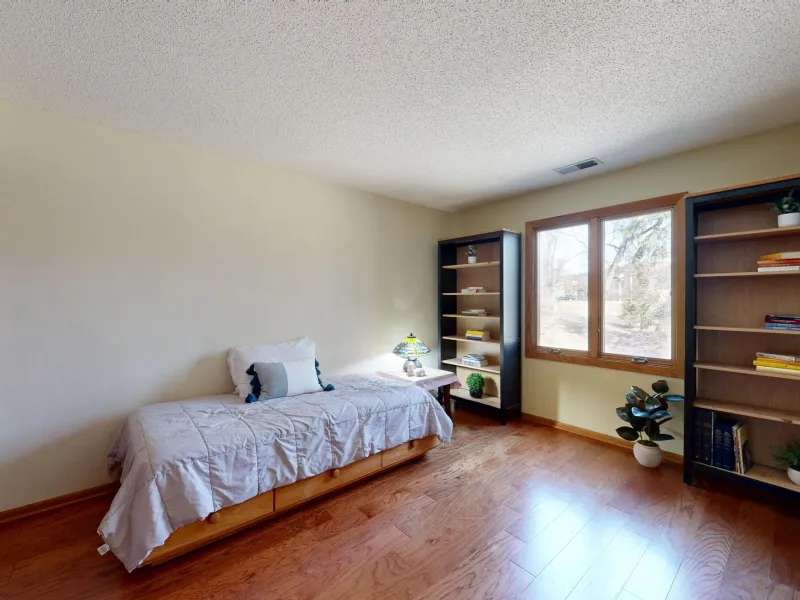
Every few months someone at work mentions the £7,500 tax-free lodger allowance, and everyone nods as if they've just been told about a loophole. Rent out the box room, keep the lot, job done. It's a genuinely useful scheme — but the headline number is a ceiling on what you receive, not a floor under what you keep.
If you're thinking about taking in a lodger this winter to soften the bills, it's worth doing the sums in the right order. Start with the costs, not the rent.
What the scheme actually says
Under Rent a Room, you can let a furnished room in your main home and the first £7,500 of receipts each year are free of tax. You don't claim it — it's automatic if you're under the threshold. Go over, and you fill in a self assessment return and either pay tax on the excess or opt out of the scheme entirely and use the ordinary rules for rental income, deducting expenses instead. For most people with one lodger, paying tax on the small excess beats the paperwork of the alternative.
Note the word receipts. It's the money coming in, not your profit. If you charge £650 a month all-in, that's £7,800 of receipts even though £100 of it disappears on hot water and heating. Which brings us neatly to the bit the adverts skip.
The discount you didn't know you were spending
If you live alone, you get 25% off your council tax. Add a second adult to the household and that discount goes — not because the lodger is doing anything wrong, but because the property is no longer singly occupied.
A band D bill in England is somewhere around £2,200 in 2026, depending on your area. A quarter of that is roughly £550 a year, or about £46 a month. That's the first slice out of your rent before you've bought a single extra loo roll.
If you already live with a partner, this particular cost is nil, because you're not claiming the discount anyway. But if you receive Council Tax Reduction, a lodger can trigger a non-dependant deduction, so the bill can still move. Worth a phone call before you hand over a key.
A worked example, with the boring costs included
Say the room goes for £700 a month — £8,400 a year. Here's the honest version:
- Tax on the excess: £8,400 minus £7,500 leaves £900. At basic rate that's £180, not the £60 people often assume. (At £625 a month you'd be under the threshold and pay nothing.)
- Lost single person discount: about £550 a year.
- Extra energy and water: a lodger showers, heats a room, does laundry. Budget £35–£50 a month, so £420–£600 a year.
- Insurance: tell your home insurer. Premiums often rise by £30–£80 for the added liability.
- Wear and tear: a mattress, a carpet, a repaint every few years. Set aside £20 a month, £240 a year.
Add it up and that £8,400 becomes roughly £6,900 — call it £575 a month in your pocket. Still a decent contribution to the mortgage. Not the £700 the spare-room listing implies.
The break-even line
Here's the useful bit. If you're single and claiming the discount, the lodger has to clear the lost council tax before they've earned you a penny: around £46 a month. Add utilities, insurance and wear, and the true break-even is somewhere near £110–£120 a month.
That sounds trivially low, and it is — because an empty room earns nothing. The real question isn't whether a lodger is profitable. It's whether the disruption is worth the net figure. For £575 a month, most people say yes. For £200, plenty say no, and that's a perfectly rational answer.
The paperwork people quietly ignore
A few things are easy to forget and expensive to discover later:
Your mortgage lender. Most buy-to-let mortgages forbid lodgers; residential ones usually allow it but may want to be told. Check before, not after.
Your freeholder. If you're leasehold, the lease may restrict subletting or occupancy. A quick read of the covenants beats a solicitor's letter.
Your home insurer. A lodger changes the risk profile. Ring them. An undeclared lodger is an excellent reason for a claim to be refused.
Your own tenancy. If you rent, subletting without permission can end your tenancy. Don't risk a home for a hobby income.
Universal Credit. Lodger income counts as income. Report it the month it starts, or you'll be reconciling a large overpayment later.
The council. Tell them the household has changed. If you quietly keep the single person discount and they find out, they'll backdate the removal and may add a penalty.
Lodger or tenant?
A lodger lives in your home, shares facilities, and is generally a licensee — an excluded occupier with less security and a simpler exit. A tenant usually has exclusive possession of part of the property and far more rights. Don't label a tenancy a licence to get the best of both; if it walks and talks like a tenancy, it is one.
One more thing: Rent a Room only applies if it's your main home. Move out and let the whole place, and you're in a different set of rules entirely.
The verdict
Rent a Room is genuinely generous. £7,500 of receipts tax-free is a real allowance, and for a lot of households it will cover a chunk of the gas bill and then some. But it's an allowance on turnover, and turnover is the number that flatters. Subtract the council tax discount first, add the utilities and the insurance bump, and decide whether the remainder is worth sharing your kitchen.
If it is — and for many people it will be — do the paperwork properly, in this order: council tax, insurer, lender, benefits. Ten minutes each, and no nasty letters in March.